When it comes to silver jewelry, the choices can be dazzling—and often confusing. You may have seen terms like 925 silver, sterling silver, or just “silver” and wondered what the real difference is. Choosing the right type of silver is more than a matter of aesthetics; it affects durability, maintenance, and even how your skin reacts. Whether you are a jewelry enthusiast, a collector, or a 925 silver jewelry manufacturer, understanding these distinctions can save money, enhance your collection, and help your pieces last for decades.
In this guide, we will explore what 925 silver is, compare 925 silver vs regular silver, dive into their advantages and disadvantages, and answer frequently asked questions. By the end, you’ll know exactly which silver is right for you.
What is Silver?
Silver isn’t just a precious metal; it’s a symbol of elegance, wealth, and cultural significance. Understanding the types of silver is essential for making informed jewelry purchases.
1. Pure Silver (Regular Silver / Fine Silver)
High Purity
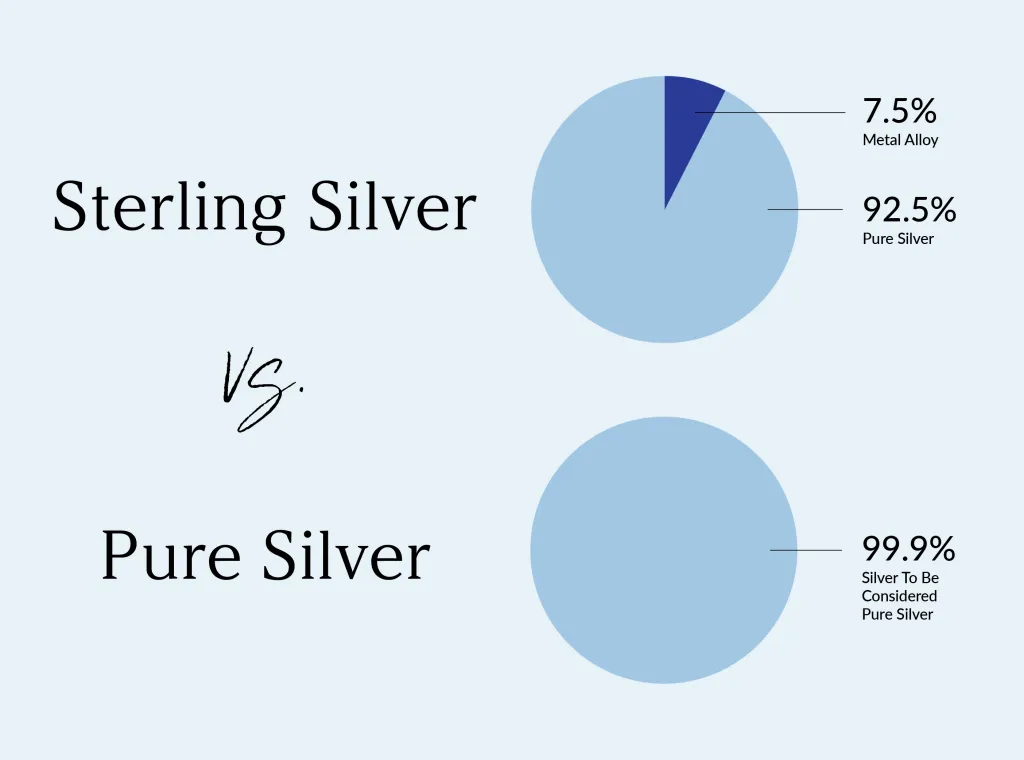
Regular silver, also called fine silver, is typically 99.9% pure silver, meaning it contains almost no other metals. This high purity gives it an unmatched, bright silver shine that makes it highly desirable for collectors and investors.
Soft and Malleable
Pure silver is naturally soft and easily scratched, bent, or dented. This makes it less practical for rings, bracelets, or charms that are worn daily.
Tarnish and Oxidation
While fine silver resists corrosion better than some alloys, it still reacts with sulfur or oxygen in the air, forming a black layer over time. Regular cleaning is necessary to maintain its brilliance.
Limited Everyday Use
Due to its softness, pure silver is better suited for collectibles, display pieces, or special-occasion jewelry rather than items worn every day.
Higher Cost
The higher silver content makes fine silver more expensive. Buyers seeking affordable and durable options may prefer 925 silver instead.
2. Historical and Cultural Value of Silver
Ancient Heritage
Silver has been used in coins, tableware, jewelry, and religious artifacts for thousands of years. Its durability and lustrous appearance made it a sign of wealth and status.
Symbolism
Across cultures, silver represents purity, elegance, and prosperity. Wearing silver jewelry is often a statement of both style and cultural significance.
Artistic Versatility
Silver’s malleability allows for intricate engraving, gemstone settings, and unique designs. This makes it a favorite material for artisan jewelers and high-end custom pieces.
What is 925 Silver?
Many people ask, “what is 925 silver?” Simply put, it’s 92.5% pure silver alloyed with 7.5% other metals, usually copper. This combination enhances strength and durability without compromising the beautiful silver shine.
1. Composition and Purpose
Sterling Standard
The “925” mark ensures that the piece meets the sterling silver standard, which is widely recognized in jewelry manufacturing.
Durability Enhancement
Adding metals like copper makes the silver harder, reducing the risk of bending, scratching, or breaking, which is essential for daily-wear jewelry.
Polish and Shine
925 silver maintains a brilliant finish and can be polished to a mirror-like shine, making it ideal for necklaces, rings, bracelets, and 925 sterling silver charms wholesale.
Skin Compatibility
Generally hypoallergenic, 925 silver is safe for most skin types. Rarely, some individuals may react to copper or alloy metals, so proper plating or coating is sometimes used.
Certification and Trust
Authentic pieces are stamped “925,” giving buyers confidence in their purity and ensuring quality from a trusted 925 silver jewelry manufacturer.
2. Advantages of 925 Silver
Everyday Wear
Its strength and durability make it ideal for items worn daily, including rings, earrings, and pendants.
Cost-Effective
Slightly less expensive than pure silver but still retains the aesthetic value and prestige of fine silver.
Design Flexibility
It can be molded, engraved, or paired with other materials, allowing for creative designs that pure silver might not withstand.
Wide Availability
Its standardization ensures consistent quality, making it easy to source through reliable 925 silver jewelry manufacturers.
925 Silver vs Regular Silver: Key Differences
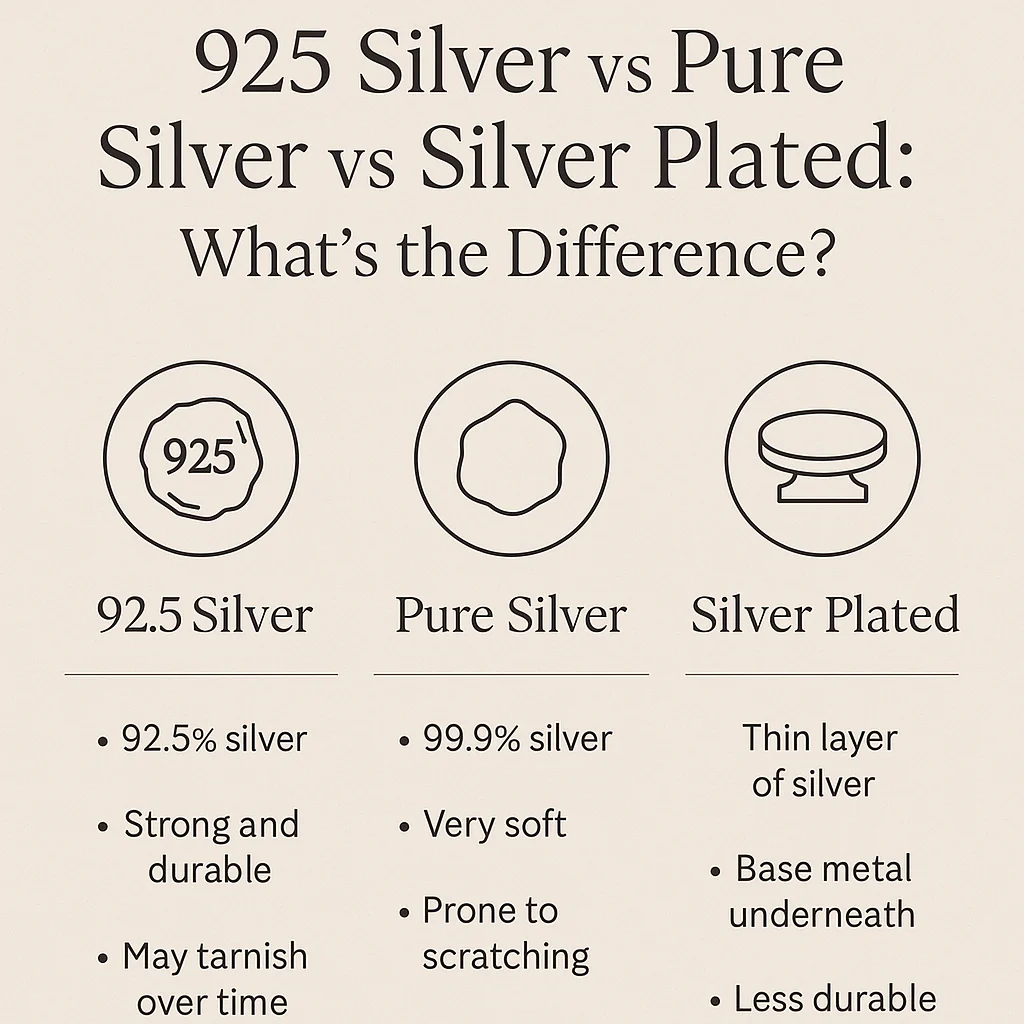
Understanding how 925 silver compares to regular silver can help you make informed purchasing decisions.
1. Durability and Strength
925 Silver
Harder and more resilient, making it perfect for rings, bracelets, and charms that face daily handling.
Regular Silver
Soft and prone to scratches or bending, better suited for display pieces, heirlooms, or delicate designs.
Practical Takeaway
If you need jewelry that lasts for years of everyday wear, 925 silver is the superior choice.
2. Tarnish and Maintenance
925 Silver
It will tarnish over time when exposed to air, moisture, or chemicals, but it can be polished easily.
Regular Silver
Tarnishes more slowly in some cases but scratches and dents quickly, requiring careful handling.
3. Appearance and Shine
Both types have a beautiful silver luster, but 925 silver retains its shape and shine longer during daily use.
Pure silver has a slightly softer glow and can appear more luminous in certain lighting, making it ideal for collectors or high-end designs.
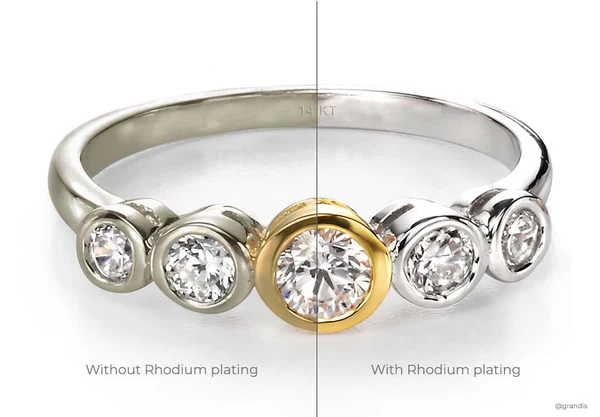
925 silver can also be rhodium-plated for extra shine and protection against oxidation.
4. Practical Use Cases
925 Silver: Daily-wear jewelry, charms, pendants, rings, bracelets, and 925 sterling silver charms wholesale for businesses.
Regular Silver: Collectibles, high-end artisan designs, display pieces, or heirlooms.
Selecting the right type ensures your jewelry lasts and maintains its beauty.
FAQs
1. What is the best grade of silver for jewelry?
925 sterling silver is widely considered the best grade for most jewelry purposes. It offers a perfect balance of durability, affordability, and shine, making it ideal for everyday wear. Fine silver is softer, making it more suited to collectible pieces rather than functional jewelry.
2. What are the disadvantages of 925 sterling silver?
- Tarnishing: Exposure to air, moisture, and chemicals can dull its shine.
- Allergic Reactions: Rarely, some people may react to copper or other alloys.
- Maintenance: Requires regular polishing to retain its brilliance.
- Limited High-End Appeal: Pure silver may be preferred for luxury or investment-grade items.
3. How does 925 sterling silver compare to pure silver?
- Durability: 925 silver is stronger and better for daily-wear jewelry.
- Appearance: Both have a bright, silver shine; pure silver is slightly softer in glow.
- Cost: 925 silver is more affordable, while pure silver carries a premium price.
- Use Case: 925 silver dominates mass-market jewelry and wholesale charms, while pure silver is reserved for collectors or fine craftsmanship.
✨ Ready to create stunning, high-quality 925 silver jewelry for your brand?
At XH Jewelry, we specialize in custom sterling silver jewelry manufacturing, OEM/ODM services, and reliable wholesale supply with premium craftsmanship and competitive pricing. If you’re looking for professional guidance, tailored solutions, or want to bring your designs to life, contact us and submit your inquiry today — we’d love to help your jewelry business shine brighter!
Tips for Caring for Silver Jewelry
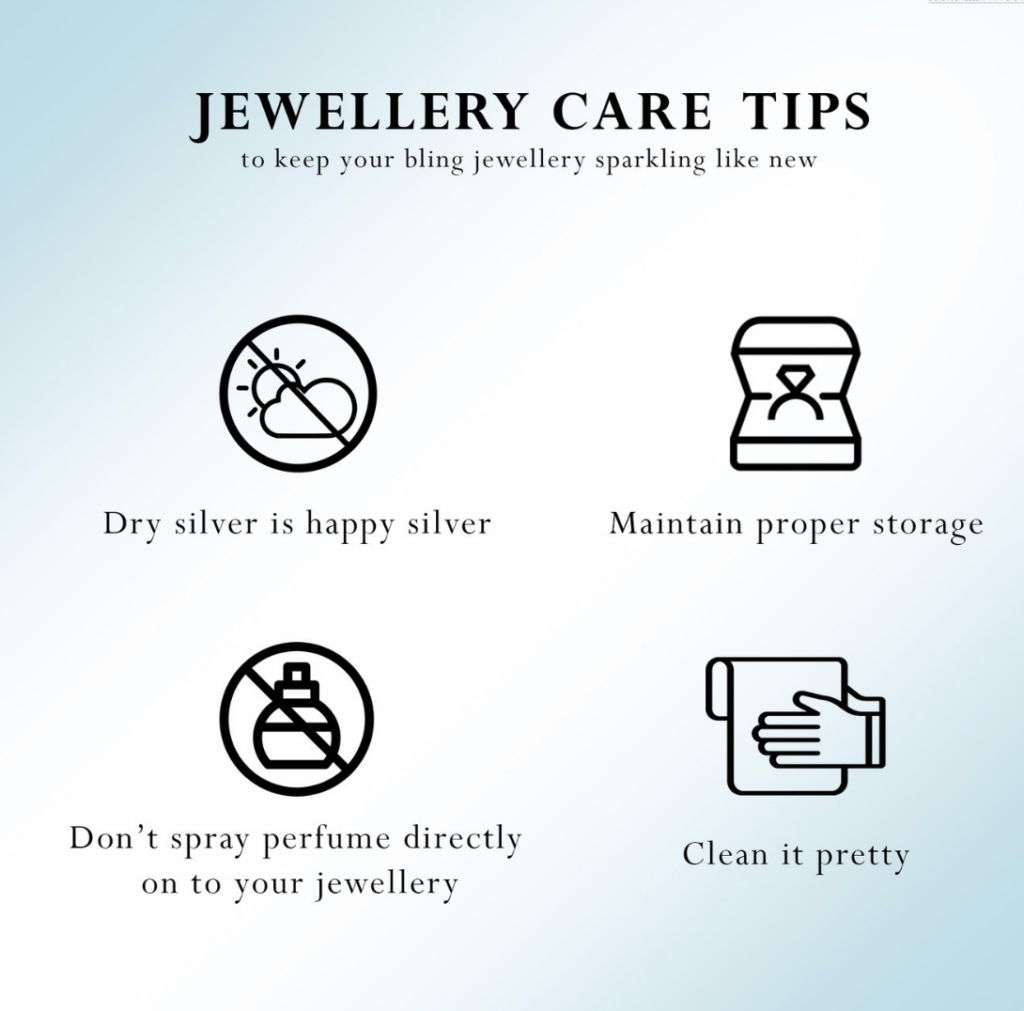
- Proper Storage: Keep silver in anti-tarnish pouches or soft cloth bags.
- Avoid Chemicals: Remove jewelry before swimming, bathing, or applying lotions and perfumes.
- Regular Cleaning: Use a soft polishing cloth to maintain shine.
- Minimize Exposure: Keep jewelry away from humid or polluted environments to reduce tarnish.
- Rhodium Plating: Consider plating your 925 silver pieces for extra shine and protection.
Final Thoughts
Choosing between 925 silver and regular silver is more than a cosmetic decision. 925 silver excels in durability, affordability, and everyday usability, making it perfect for rings, necklaces, bracelets, and 925 sterling silver charms wholesale. Regular silver, on the other hand, appeals to collectors and artisans who value purity and soft malleability for intricate designs.
Whether you’re buying jewelry for personal use or sourcing products as a 925 silver jewelry manufacturer, understanding the difference between silver and sterling silver ensures smarter purchases, better care, and lasting beauty. Remember, the right silver doesn’t just look good—it works beautifully for your lifestyle and style goals.